
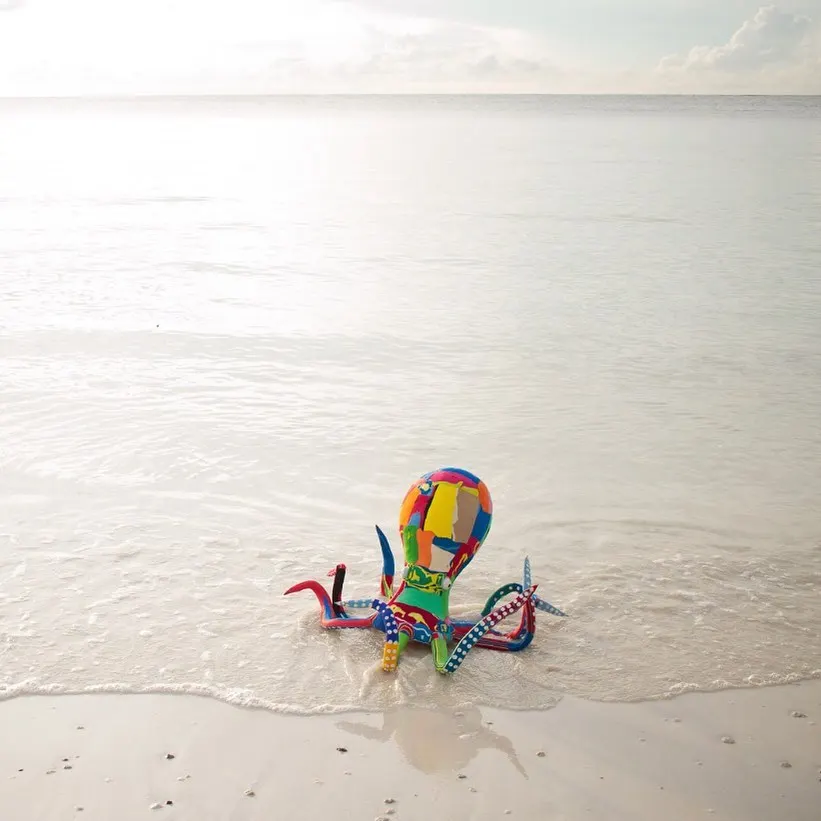
Ocean Sole is a social enterprise that turns washed-up flip flops into colorful and fun art pieces to promote ocean conservation and spread awareness about pollution. Alongside this Ocean Sole positively impacts over 1,000 Kenyans through the collection of flip-flops and direct employment. We provide steady income to nearly 100 low-income Kenyans in our company.
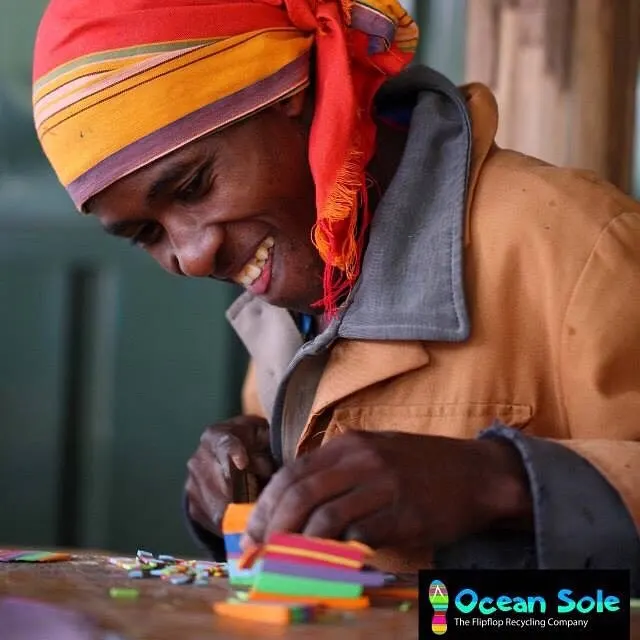
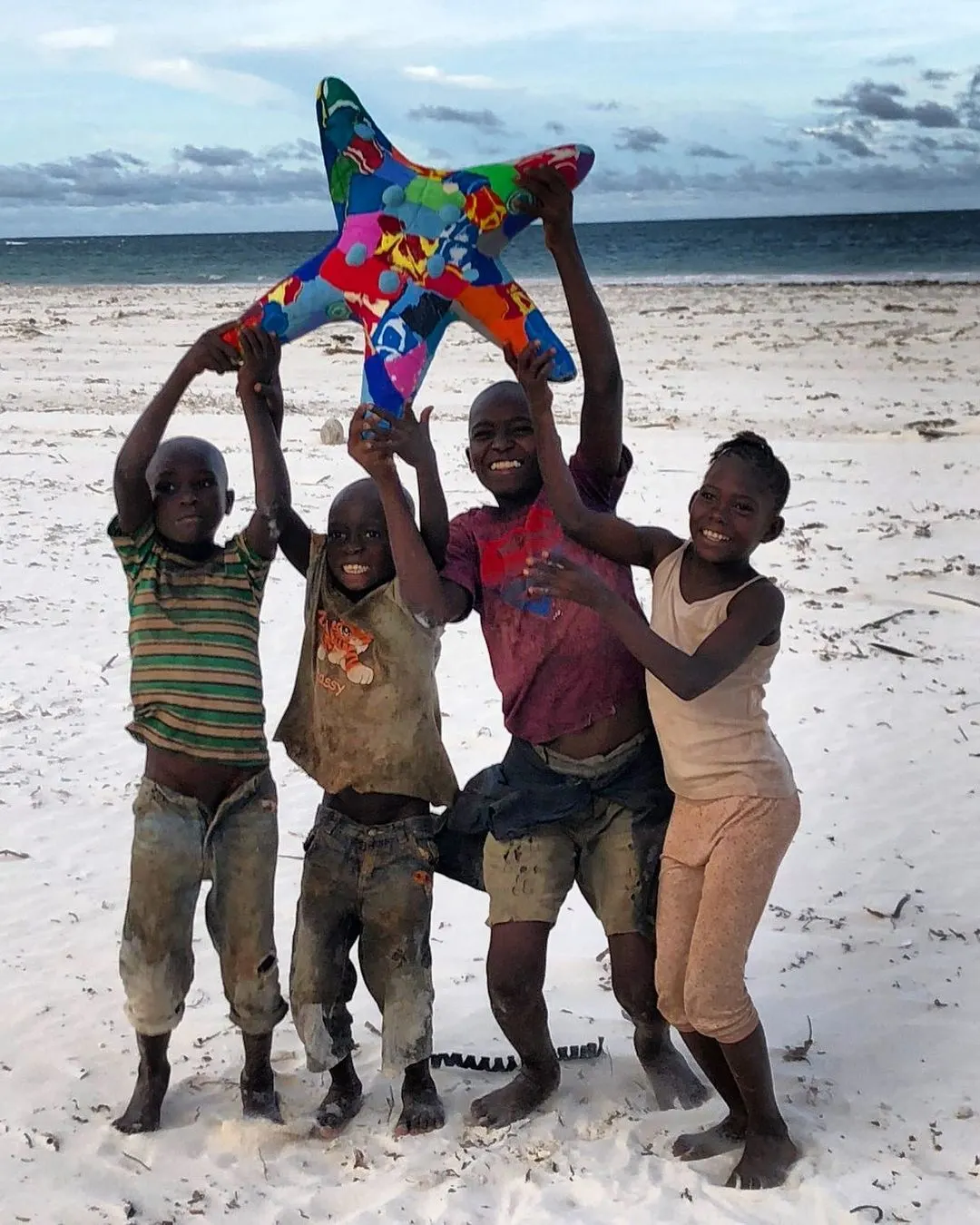
Founded by Julie Church in 2006, the concept evolved from the remote island of Kiwayu, which borders Somalia and the very tip of Northern Kenya. Shocking amounts of marine waste washed up on the shore, particularly on nesting turtle sites and their hatchlings. The rubbish problem then led to imaginative and innovative children turning the waste into toys to play with. When the mothers saw how colorful and fun the upcycled toys looked, they decided to start cleaning and sculpting discarded flip-flops into art pieces to sell.
Over the years Ocean Sole has evolved from focusing solely on Kenyan communities to impacting an entire ecosystem of traders, collectors, designers, and most importantly, employees. In 2017, we shared our story globally and Ocean Sole evolved from a for-profit business to a social enterprise. Supporting communities and the ecosystem symbiotically underpin what Ocean Sole is about.
Our interlocutor today is Ari Kyriazi from Ocean Sole.
How did it all start with Ocean Sole, tell me more about that? What was the inspiration behind it?
Ari: Ocean Sole is a social enterprise based in Kenya that makes art from washed-up flip flops to promote ocean conservation and bring awareness to the global Ocean plastic pollution crisis. Our project positively impacts over a 1,000 Kenyans through the collection of flip-flops, beach clean-ups, and direct employment through our eco-system. Currently, we provide steady income to nearly 100 low-income Kenyans in our company.
Founded from the local mothers and Julie Church on the remote island of Kiwayu, which borders Somalia and the very tip of Northern Kenya. Due to the shocking amounts of marine waste washed up on the shore, particularly on nesting turtle sites and their hatchlings, these ladies started cleaning beaches to help the turtles and themselves. The rubbish problem then led to imaginative and innovative children turning the flip flops into toys to play with–like trucks, planes. When the mothers saw how colorful and fun the upcycled toys looked, they decided to start cleaning and sculpting discarded flip flops into art pieces to sell for some income and they got sponsorship from our Founder.
Over the years Ocean Sole has evolved from focusing solely on Kenyan communities to impacting an entire ecosystem of traders, collectors, designers, and most importantly, employees. In 2017, we shared our story globally and Ocean Sole evolved from a for-profit business to a social enterprise to focus on the social and environmental aspects over profits. Supporting communities and the ecosystem symbiotically underpin what Ocean Sole is about.
What was the artistic climate like when you started working on that project? How was it received at the time?
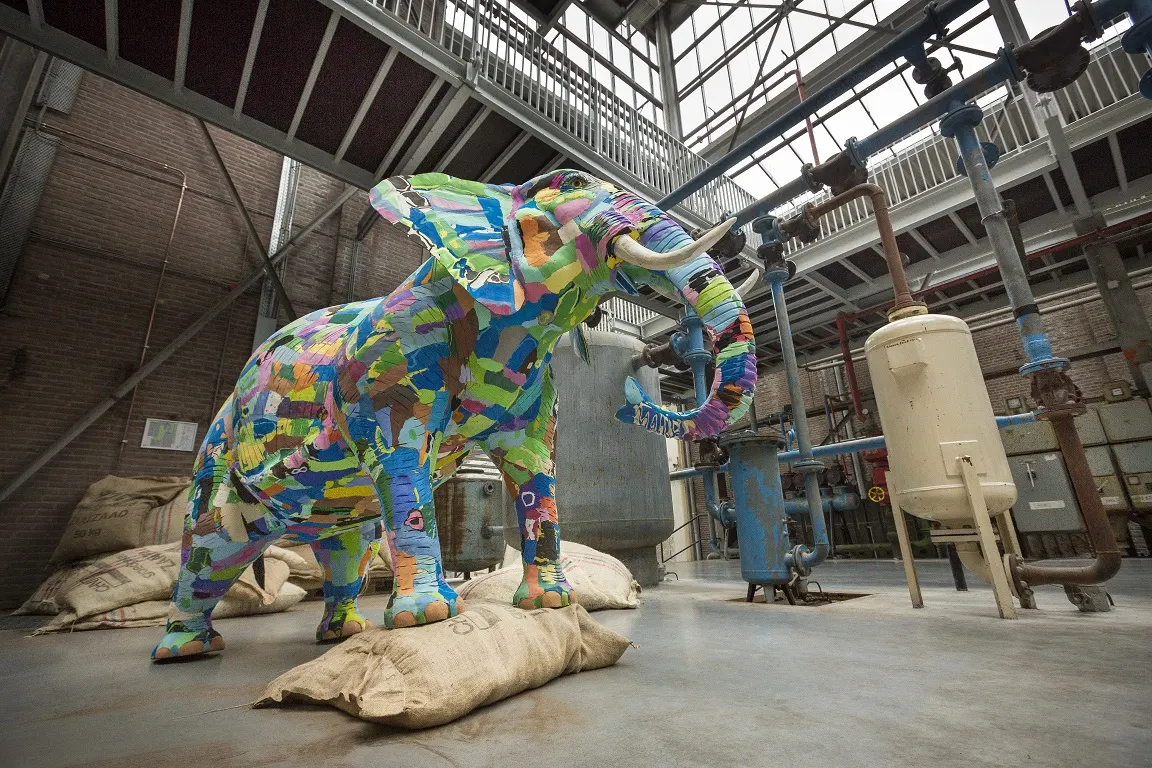
Ari: Before Ocean Sole was started, nearly all of our artisans worked as woodcarvers cutting down nearly 500 trees a year!!!! Kenya is an extremely creative country with rich cultural roots in carving and artisan crafts, most people get their inspiration from the stunning scenery and wildlife. Ocean Sole’s artisans are the most innovative and creative people ever in our opinion. In the beginning, it started off as a small Kenyan-focused artisan business that sold at craft fairs. Over the years and with the change of ownership and migration to a non-profit and social enterprise, we began to make bigger and more intrinsic art for our supporters.
What are your greatest achievements so far?
Ari: Besides making some beautiful art, I think we are the only people who are really spreading awareness and talking about the flip flop Ocean pollution problem in the world. We are small, but we have a loud voice through our customers, media supporters, and global reach, to expel the harmful effects of cheap rubber shoes.
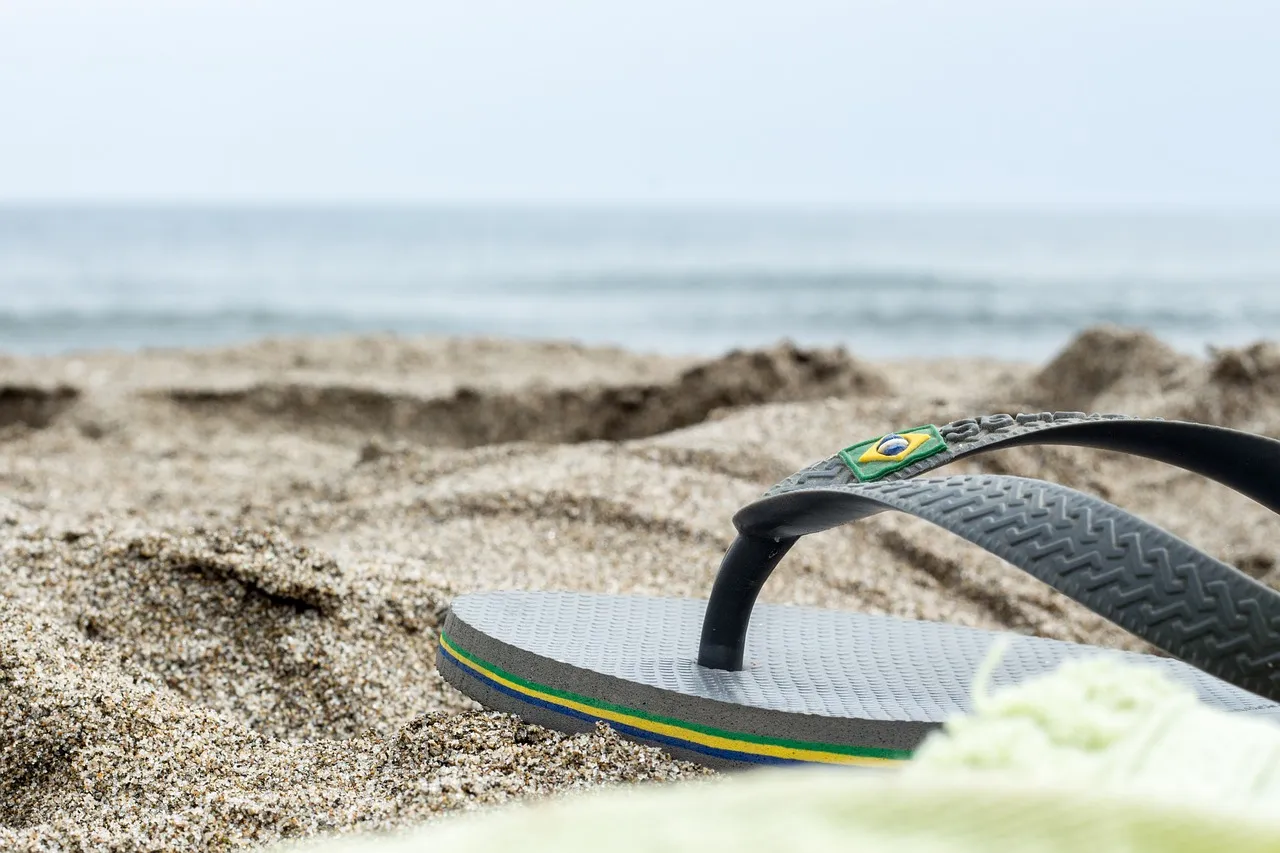
Over 3 billion people wear flip flops in the hot emerging markets, such as Kenya, Indonesia, India, China, Central America, and the Caribbean– and these types of shoes only really have a shelf life of about a year. When tossed from the owners, these flip flops then end up in urban dumps or rivers and ultimately flow into our oceans – particularly the Indian Ocean. Our dedication to cleaning beaches and supporting high-impact communities is really what keeps us going. Every year we also try to come up with new designs and challenge ourselves to make cool modern contemporary designs for events, galleries, festivals, and individuals.
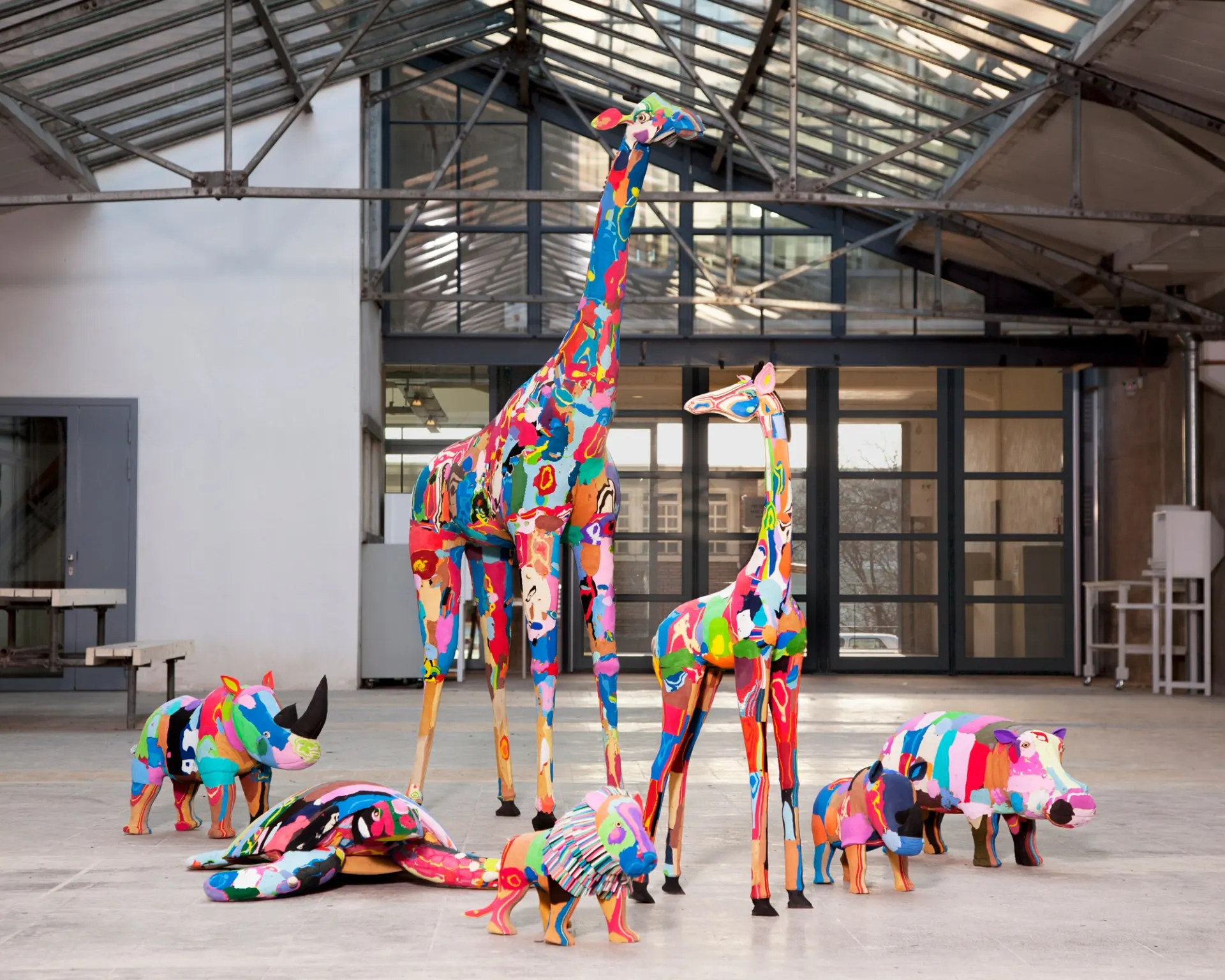
From an art point of view, we have made a life-size Honda s2000 for a car dealer in Jacksonville and since then he has sold 4 cars from the life-size, eye-catching sculpture. Right now we are being commissioned to make over 25 masterpieces of endangered species through our SoleMate Project to bring attention to the plight of these animals.
It seems that these kinds of large-scale ecological projects are often huge undertakings that don’t have a ton of money pouring in to support them. However, you are providing a steady income to nearly 100 low-income Kenyans in your company. Tell me more about that.
Ari: One of the biggest ways we help low-income Kenyans is through our flip flop collection scheme. We pay flip flop collectors per kg for flip flops collected and since we aim to recycle a ton a week, it provides a steady income for these people. Some of our collectors have sold flip-flops to us for nearly 10 years! We have our direct employees whom we support through our sales of our art and our wonderful Solemates that support us globally. In the USA, we have a registered non-profit and we also receive donations to help us with large capital expenses.
What are some of the issues you’ve encountered over the years?
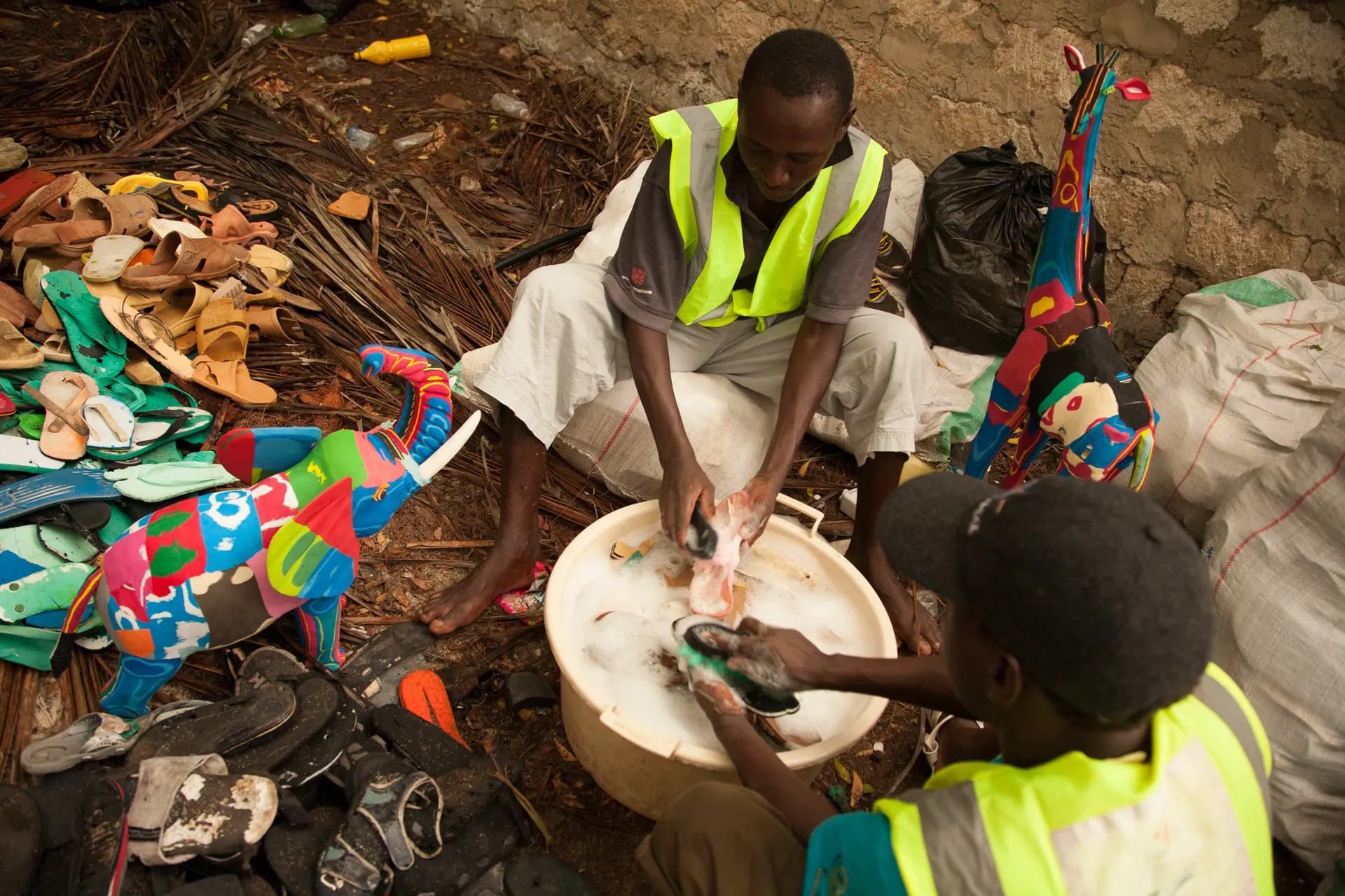
Ari: The challenges are it can end up being quite expensive! We pay people by the kg of flip-flops they collect from the beach, from here we then have to transport the raw material to Nairobi where it is weighed, cleaned, blocked together, and then only can it be used. There is quite a process to go through before the raw material can start to be made for the artwork. Obviously, sales and getting exposure is always a challenge, especially for a small firm.
Ocean Sole hopes to expand its business in Kenya, to clean up ALL ocean plastic and either make art or recycle. Also, we would like to go to other parts of the around the world with similar issues – waste, few jobs and areas of high conservation importance. This is replicating the concept to key areas globally. We hope to start in East Africa and take our model all over the world.
How does your work comment on current social or political issues?
Ari: We don’t really take on any social or political issues. Kenya is a tribal country and we believe our art speaks for environmental and impact issues on its own. The only area we are starting to focus more on is climate change and its impact on our planet through our SoleMate Project.
What are you currently working on?
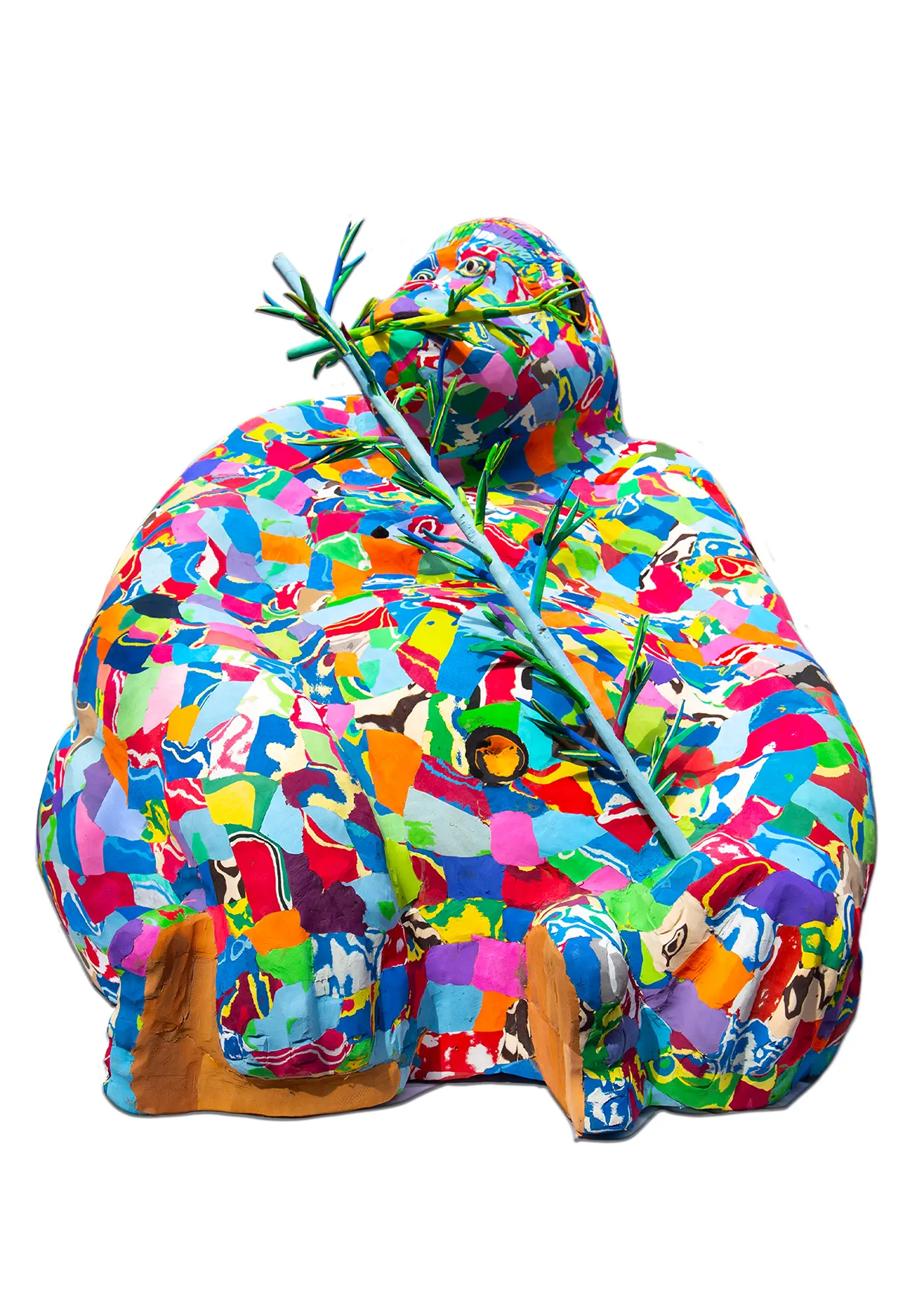
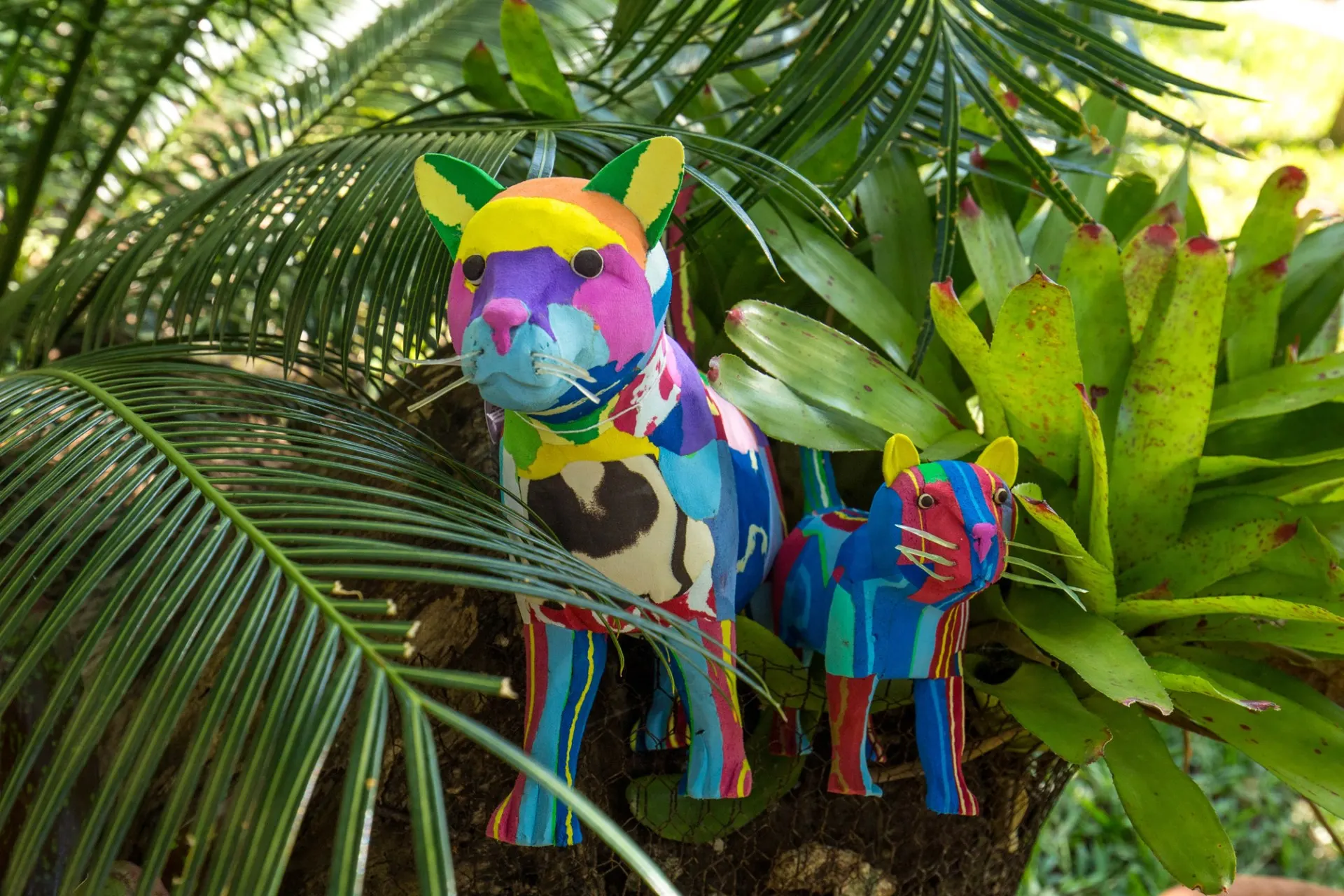
Ari: As we mentioned, we have recently launched a charity, The SoleMate Project. We have partnered up with some amazing charities around the world that work on the ground to protect endangered species. On Endangered Species Day, Ocean Sole launched the first collection of large-scale endangered species: a rhino, jaguar, panda, giraffe, polar bear, gorilla, sea turtle, and Pangolin.
The SoleMate Project aims to create 200 flip flop large-size replicas of the Earth’s vulnerable and endangered species and place them in different locations around the world.
The SoleMate Project will:
- Bring awareness to the Earth’s flip flop pollution.
- Draw attention to the plight of our most vulnerable and endangered species.
- Help us support our Kenyan artisans and their families; and
- Donate 50% of the contributions to wildlife conservation organizations.
What are your plans for the future?
Ari: Right now we are hoping to partner with a plastic offset organization to build out an infrastructure to clean up all of the Ocean Plastic in Kenya and recycle it or make art. It is a lofty goal, but we are positioned perfectly to do this for our country and our Oceans. It is exciting and we are working on raising funds for such an endeavor.
Anything you’d like to add that I didn’t ask?
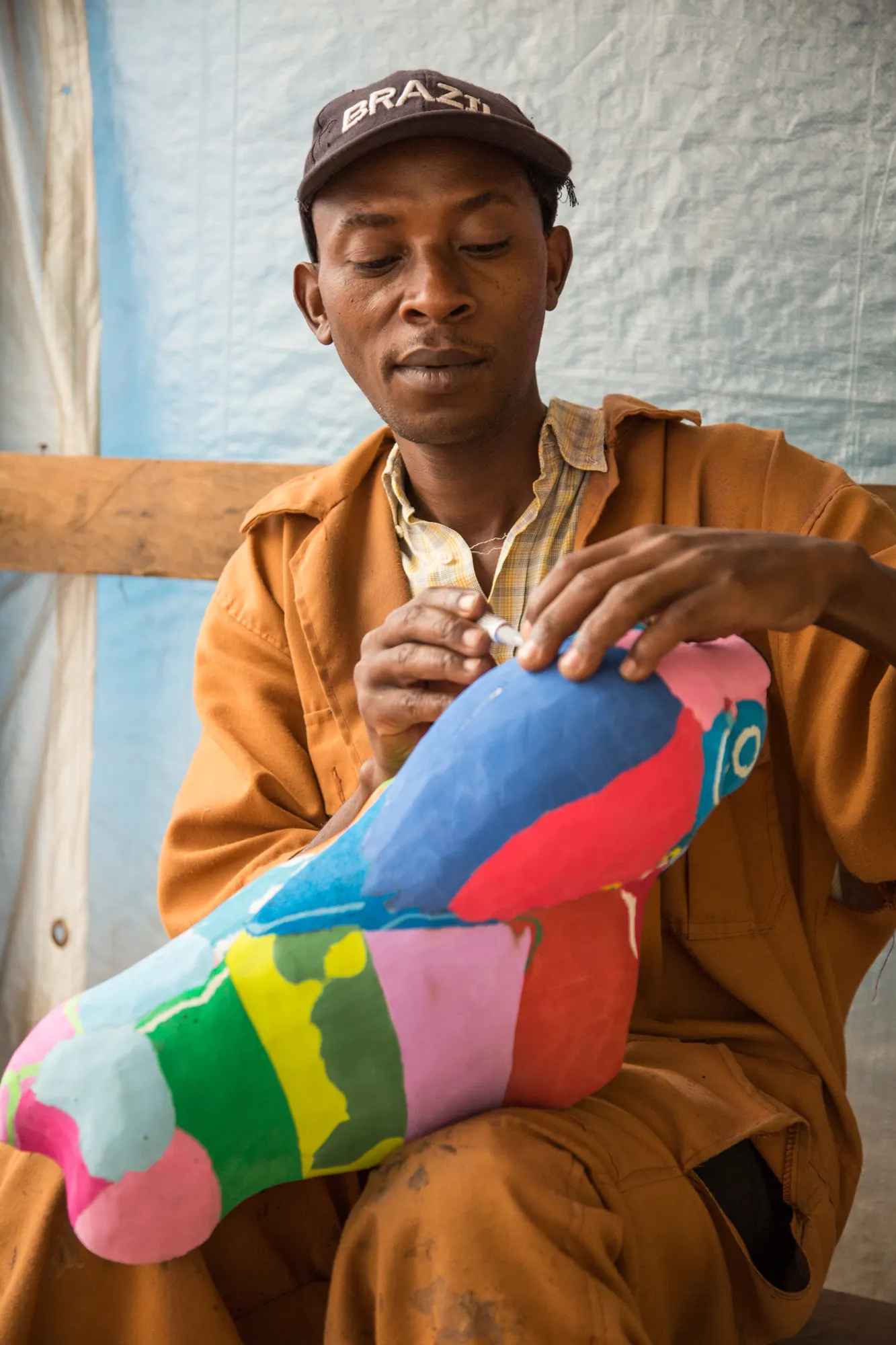
Ari: Our artists are a wonder of nature. They can make anything from a picture that is up on a wall. It is unbelievable to see them in action and awe-inspiring to watch their attention to detail. If you imagine they are self-taught from carving wood from trees to flip flops. For example, they carve safari animals, and until last year they have never seen one in real life!!! Their talents are endless and hope the global art community sees their creativity and provides inspiration.
To learn more about the Ocean Sole project, check:
Website