
 Kelsey Bageant is originally from West Virginia and now resides in Sioux Falls, South Dakota where she earned her BA at the University of Sioux Falls. This summer, she will begin her MFA at Azusa Pacific University in California.
She is primarily a painter but loves to utilize techniques learned from printmaking processes within all of her work. Kelsey typically paints on wood panels which she builds herself. Finding the material herself offers more opportunities for her to mix layers of media later in the process.
How long have you been an artist and how did you get started?
Kelsey: As a child, I was always very creative and loved to experiment with any materials that I could make into art. Like most children, I just considered this to be a form of play and it was my favorite past time. I feel it’s imperative to my creative process now that I still hang onto that playful aspect of myself when making art. I allow myself to try out new methods, color combinations, and ways of thinking without letting fear and doubt overcome me, because part of me is still a child at play.
There was never really a time in my life that I wanted to be anything other than an artist. However, I do remember when I finally began to refer to myself as an artist instead of simply telling people how I wanted to be one. When I began my undergraduate degree as an art major, my work started to feel more like it was about something and I think that gave me the confidence to finally call myself an artist.

Do you see your art as serving a purpose beyond art?
Kelsey: I think that all works of art, including my own, serve a greater purpose than something to hang on a wall and view. It is my hope that my art ignites some kind of emotion within viewers that will lead to the contemplation of the greater concept behind the artwork itself. I create in order to comb through my own thoughts, hoping that others will be able to see themselves, or their own internal conflicts represented in my art and feel seen.
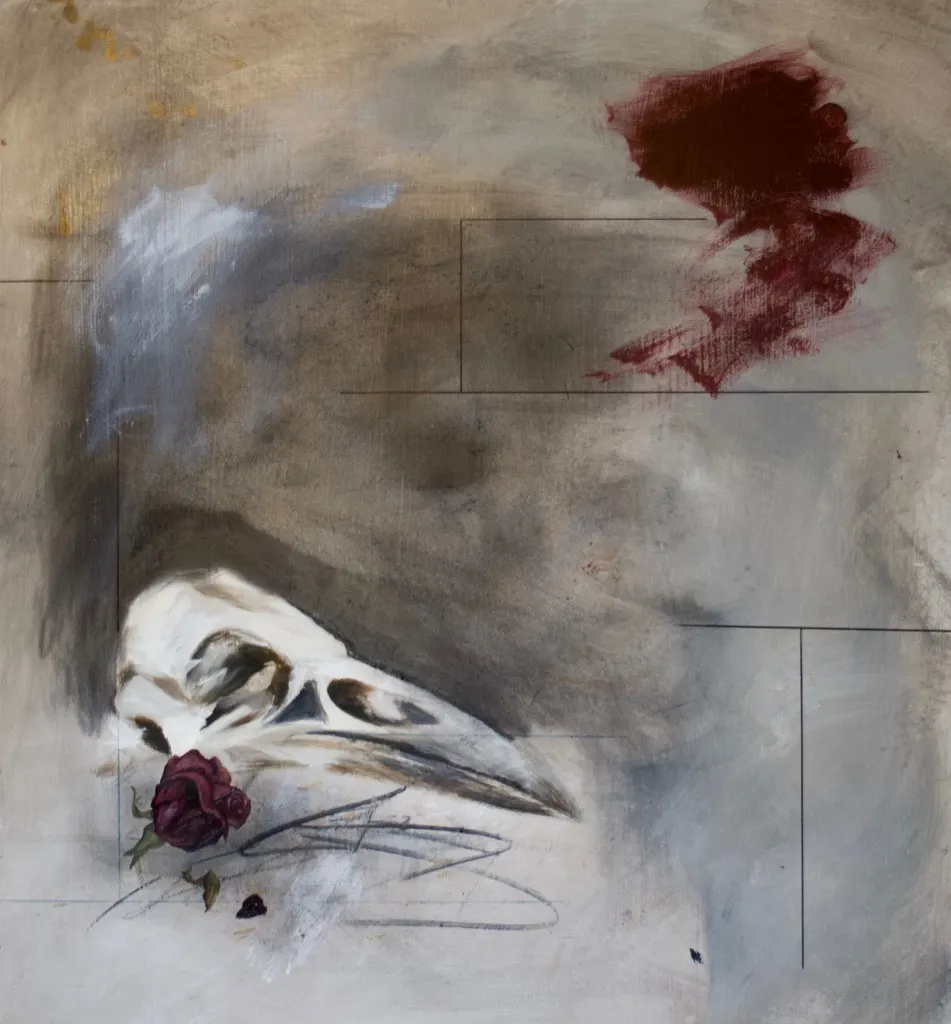
What is the message you are trying to give with your art?
Kelsey: I don’t view my work as persuasive, meaning I’m not trying to convince anyone to agree or disagree with any statements that I am making with my art. A lot of my work comes from the contemplation of some inner conflict that I have experienced first hand and want to share with people with the intention of relating to others or at least opening their minds to a new perspective.
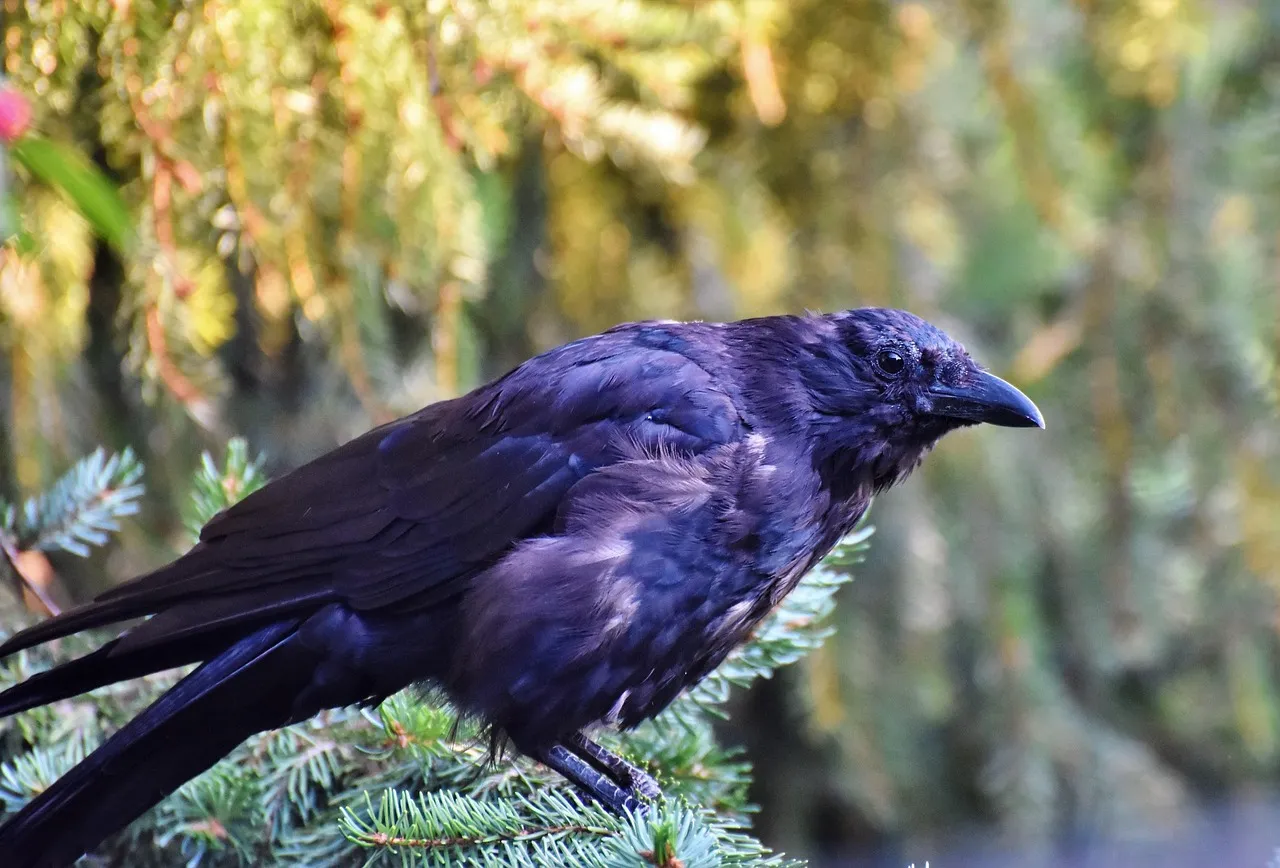
My work is a representation of everyday human dichotomies. Many of my pieces are about the uncertainty of life, the promise of death and the confliction of feelings that follows that awareness. In order to personify these internal conflicts, I often use symbols that are associated with the theme. The crow has been a repetitive symbol of death’s ever presence in my artwork. The bird is often intentionally paired with a soft and warm color palette in order to make the topic feel approachable to the viewer, thus portraying the dichotomy of life and death.
What are your plans for the future?
Kelsey: This summer, I will be attending Azusa Pacific University as a graduate student in the Master of Fine Arts program. I am excited to continue my education in art and eager to learn from the challenges that I will face as an artist.

What is a little known fact you would like to share?
Kelsey: Intentional self-reflection is a major part of my artistic process. I have been consistently journaling for about six years now. I find it very helpful to my creative process to write my thoughts down and read them later in order to discover a pattern. Journaling helps me identify my passions, concerns, and fears and a lot of times that is where I will find the inspiration for my next body of work.
How does creating art make you feel?
Kelsey: When creating art, I experience a lot of different emotions which is exciting to me because I love the thrill of change. I feel emotions very deeply and definitely experience a lot of them when I create. Sometimes creating can stir up feelings of doubt or frustration when something technical or conceptual within a piece is not going as planned. Then there are other times when I feel so in touch and onto something with a piece that I don’t even realize how much time has passed. I love experiencing the highs and lows of making mistakes and discovering new ways of working with them. One of the greatest lessons that art has taught me is how to power through the discomfort. Personally, if I’m not a little uncomfortable, I’m probably playing it a little too safe as an artist.
How do you get ideas for your art?
Kelsey: I love to keep old artworks, sketches, and various scrap material in a box and then revisit them and incorporate old pieces into new work. Usually, I have a vision of exactly how I want a piece to end before I even start. However, I know that throughout the process I will end up making minor adjustments, reacting to unexpected occurrences and the painting will typically become something entirely different.

How has your art evolved over the years?
Kelsey: I am definitely still watching my art evolve. When I look back at what my art has been in the past and compare that to what I am working on now for the future, I find it very encouraging to see that constant change and growth. When I was younger, I was absolutely infatuated with hyperrealism and always wanted to attain that level of precision and detail within my own work. I had a vision of creating larger than life portraits of women. While attempting to bring that vision to life in the studio, one day I realized that I was much more driven when I was working with abstract art.
To find out more about Kelsey and her art, please visit her